Find an Emergency Dentist Near You
Dental emergencies can happen without warning. If you have severe tooth pain, swelling, bleeding, a broken tooth, or another urgent dental problem, fast care matters. Use the search tool below to find an emergency dentist near you by ZIP code.
Whether you need same-day treatment or after-hours help, this page can help you quickly locate emergency dental care in your area.
Search for Emergency Dental Care by ZIP Code
Enter your ZIP code to find an emergency dentist near you. This search tool is designed to help you locate urgent dental care quickly, including same-day dental appointments, weekend emergency dentists, and after-hours dental services when available.
If you are dealing with a painful toothache, a chipped or broken tooth, a lost filling, swelling, or a knocked-out tooth, searching by ZIP code can help you find the nearest emergency dental office faster.
When the map comes up, look at the top, click on the 'Hours' filter, select 'Open now' from the list, then click on 'Apply' at the bottom of the box.
Enter your ZIP code to search Google Maps for emergency dentists near you.
Important: This tool is for information only. Always call before travelling to confirm opening hours and emergency availability. If you have severe swelling, uncontrolled bleeding, facial trauma, difficulty swallowing, or difficulty breathing, seek urgent medical care immediately.
When to See an Emergency Dentist
You should contact an emergency dentist as soon as possible if you have:
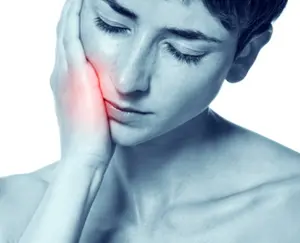
- Severe or constant tooth pain
- A knocked-out tooth
- A cracked, chipped, or broken tooth
- Swelling in the gums, jaw, or face
- Bleeding that does not stop
- Signs of infection, such as pus, fever, or a bad taste in the mouth
- A lost crown or filling causing pain or sensitivity
- Injury to the mouth or teeth
Prompt treatment may reduce pain, prevent infection, and improve the chances of saving a damaged tooth.
Common Dental Emergencies
Emergency dentists treat a wide range of urgent dental problems. Common reasons people look for emergency dental care near them include:
- Severe toothache
- Broken or cracked teeth
- Knocked-out teeth
- Dental abscess or infection
- Lost fillings or crowns
- Swollen gums or jaw
- Bleeding after dental trauma
- Injuries from sports, falls, or accidents
If you are unsure whether your issue is urgent, it is usually best to call a dentist and explain your symptoms.
What to Do Before You Arrive
While you are searching for an emergency dentist near you, these basic steps may help:
For tooth pain:
Rinse your mouth with warm water and gently floss to remove trapped debris.
For swelling:
Apply a cold compress to the outside of your cheek for 15 to 20 minutes at a time.
For a knocked-out tooth:
Pick the tooth up by the crown, not the root. If possible, place it back in the socket gently. If not, keep it in milk or saliva and get dental help immediately.
For bleeding:
Apply gentle pressure with clean gauze or cloth.
For a broken tooth:
Rinse your mouth with warm water and save any pieces if you can.
This information is not a substitute for professional medical advice. If symptoms are severe, seek immediate care.
ER or Emergency Dentist?
For most dental problems, an emergency dentist is the right place to start. However, go to the emergency room right away if you have:
- Trouble breathing or swallowing
- Severe facial swelling
- Uncontrolled bleeding
- Serious trauma to the jaw or face
- High fever with signs of infection
Emergency rooms can help manage serious infections, injuries, and life-threatening symptoms, but they may not provide full dental treatment.
FAQ
What counts as a dental emergency?
A dental emergency may include severe tooth pain, swelling, bleeding, a knocked-out tooth, a broken tooth, or signs of infection. If you are in significant pain or your symptoms are getting worse quickly, contact a dentist as soon as possible.
Can I find a same-day emergency dentist near me?
Yes, many emergency dentists offer same-day appointments for urgent dental problems. Enter your ZIP code above to find emergency dental care near you and contact the office directly to confirm availability.
Should I go to the ER or an emergency dentist?
For most tooth and gum problems, an emergency dentist is the best option. Go to the ER if you have severe swelling, difficulty breathing, uncontrolled bleeding, or serious facial trauma.
What should I do for a knocked-out tooth?
Hold the tooth by the crown, not the root. Try to place it back into the socket if possible. If not, keep it in milk or saliva and get emergency dental care right away. Fast treatment gives the best chance of saving the tooth.
How quickly should I treat severe tooth pain?
You should seek care as soon as possible. Severe tooth pain can be a sign of infection, nerve damage, or another serious issue that may worsen without treatment.
Do emergency dentists accept walk-ins?
Some do, but not all. It is best to call ahead if possible. If you need fast help, use the ZIP code search tool to find an emergency dentist near you and ask about walk-in or same-day availability.
Dental emergencies can become more serious if they are ignored. Finding prompt treatment may help relieve pain, prevent complications, and protect your oral health.


Recent Articles


-
Emergency Dentist Near Me 2026 - Find Urgent Dental Care by ZIP Code
Oct 13, 26 09:49 AM
Dental emergencies can happen anytimer. If you have an urgent dental problem, use our search tool to find an emergency dentist near you by ZIP code. -
Amalgam Filling Replacement Guide - Safe Amalgam Removal
Oct 13, 26 06:34 AM
 Everything you need to know about SAFE amalgam filling replacement, explained by Dr. Richard Mitchell.
 -
Antibiotics For A Tooth Infection - Which Antibiotic?
Oct 13, 26 06:33 AM
 Is your tooth infection dangerous? Find out about antibiotics for a tooth infection. By dentist Dr. Richard Mitchell

© All Rights Reserved . dental-advice.info . Copyright 2010-